

Almas Dancers
Almas Dancers
Almas Dancers
Bringing the Spirit of the Silk Road to Life
Almas Dance Ensemble is a women-led performance group that celebrates the vibrant traditions of Central Asia, the Middle East, and the Persian Gulf.
Through graceful movement, rich costumes, and powerful storytelling, we bring to life dances from:
– Persia and the Persian Gulf
– Afghanistan
– Uzbekistan
– Egypt
– Andalusia
– Nomadic and Gypsy cultures
We specialize in live performances for:
– Cultural festivals
– Private weddings
– Traditional ceremonies
– Themed events and artistic showcases
With every performance, we create a bridge between ancient rhythms and modern hearts. Let us enchant your event with elegance, tradition, and soul.
Almas Dancers is a professional dance company specializing in traditional performances for festivals, weddings, special events. Our services are designed to add a unique, culturally rich touch to the wedding experience, creating memorable moments for both the couple and their guests.
We perform with exquisite props and authentic costumes, ensuring an enchanting and immersive experience. Whether you’re planning an intimate ceremony or a grand celebration, our performances will captivate and delight your clients, offering them a glimpse into the beauty and elegance of traditional Persian and Middle Eastern culture.
Our repertoire celebrates the rich heritage of cultures such as Persian, Andalusian, Afghan, Uzbek, Georgian, Azerbaijani, and Armenian. Each performance is meticulously crafted to honor traditional rituals while captivating modern audiences.
Our team is dedicated to delivering performances that are not only entertaining but also deeply respectful of cultural significances. We collaborate closely with couples and planners to tailor each performance to the unique vision of the wedding.
Our Signature Offerings Include:
- Persian Wedding Ceremony: Featuring symbolic rituals bringing Bride and Groom with traditional props
- Afghan Aroosi Celebrations: Showcasing the dynamic Attan dance, a symbol of unity and joy, performed during vibrant receptions.
- Armenian Wedding Traditions: Including the energetic Kochari and Shalakho dances, and customs like the lavash bread ritual symbolizing prosperity.
- Georgian and Andalusian Performances: Presenting the elegance of Georgian sword dances and the passion of Andalusian flamenco, adding a dramatic flair to any celebration.
- Uzbek and Azerbaijani Folk Dances: Bringing colorful costumes and intricate choreography that reflect the rich traditions of Central Asia.
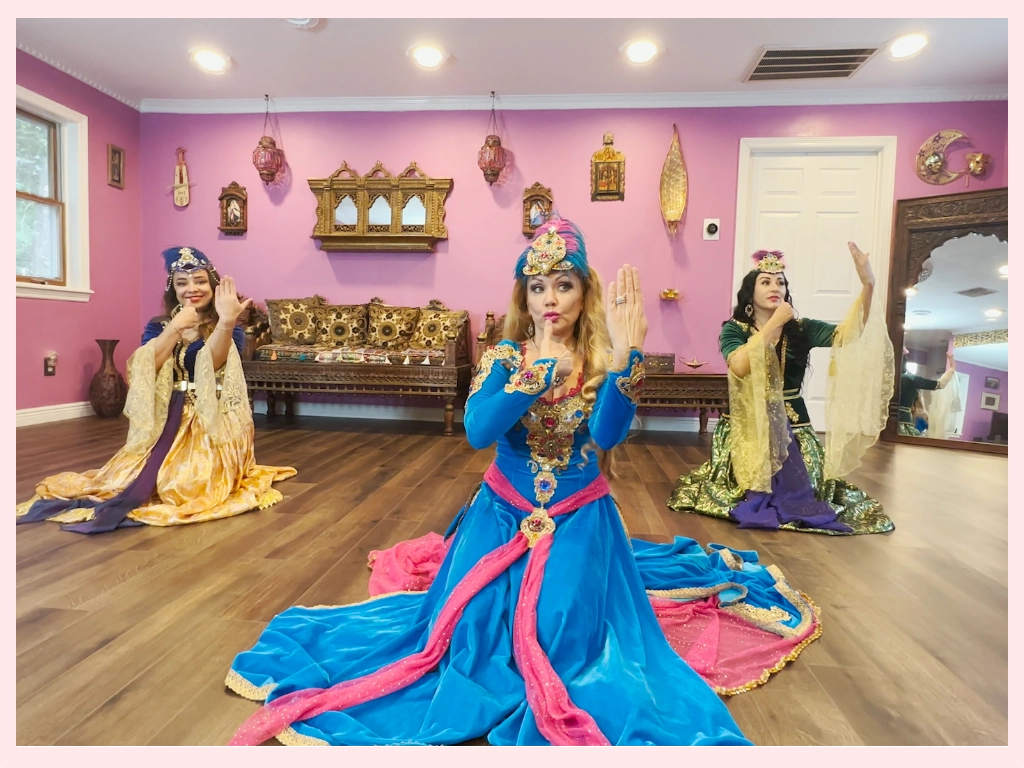
Persian Miniature (Traditional Classical Dance)
Classical Courd dance Qajar style
The Qajar dynasty ruled Persia (modern-day Iran) from 1789 to 1925.
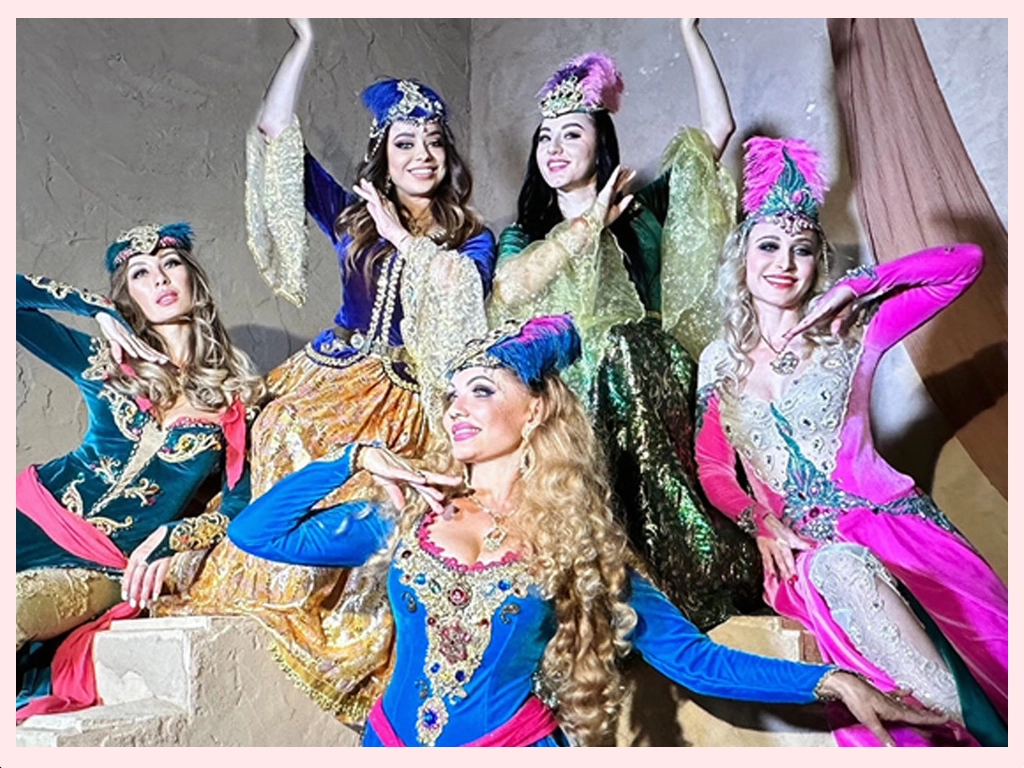
Persian Modern Dance
Modern Persian dance is performed to Persian pop music, blending contemporary sounds with traditional rhythms and melodies.
Known as Raqs-e Mehmooni or Raqs-e Tehrani, it is an urban social dance celebrated at gatherings and festive events.
Though modern in style, its movements remain rooted in classical Persian dance, carrying the rich cultural influences of the ancient Silk Road into a vibrant, living tradition.
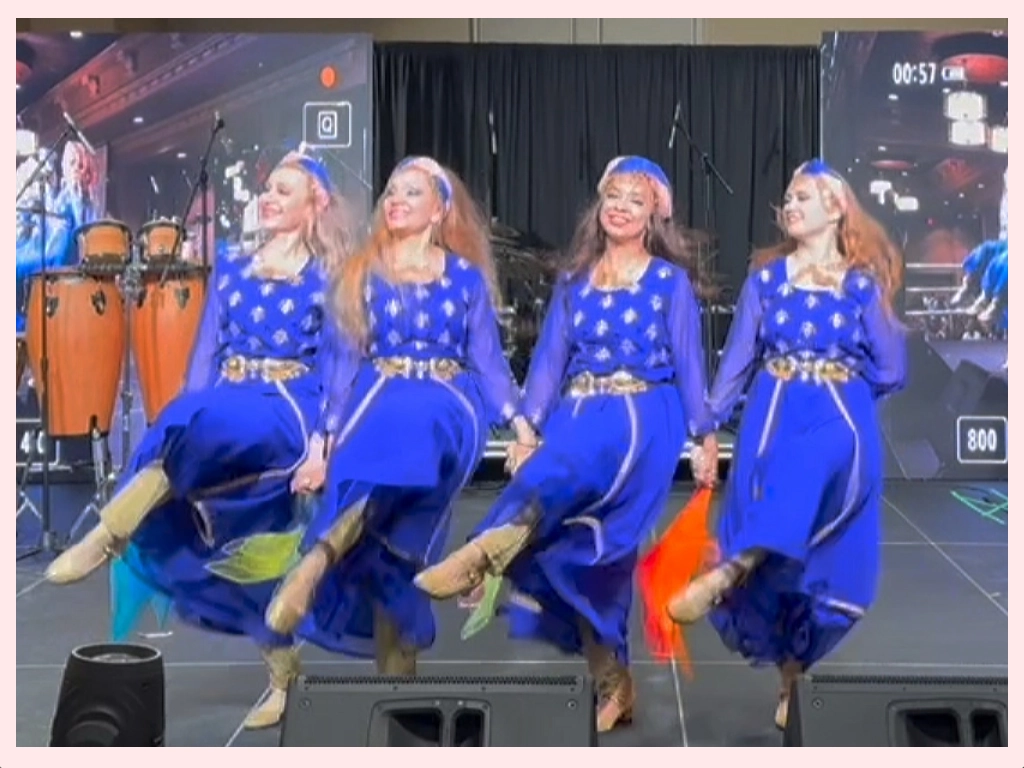
Kurdish Folk Dance
The Kurds are an ancient Iranian people, descended from the Medes of historic Ecbatana (today’s Hamadan). Spread across western Iran, Iraq, Syria, and eastern Turkey, Kurdish culture preserves deep roots in early Persian traditions.
Dance is at the heart of Kurdish communal life, most often performed as powerful, linked line dances. Dancers connect hand to hand or shoulder to shoulder, moving as one through rhythmic steps, hops, balances, and lifted legs.
Led by a scarf-waving leader, the line curves and flows, sometimes opening space for solo dancers who bring individual spirit to the collective expression.
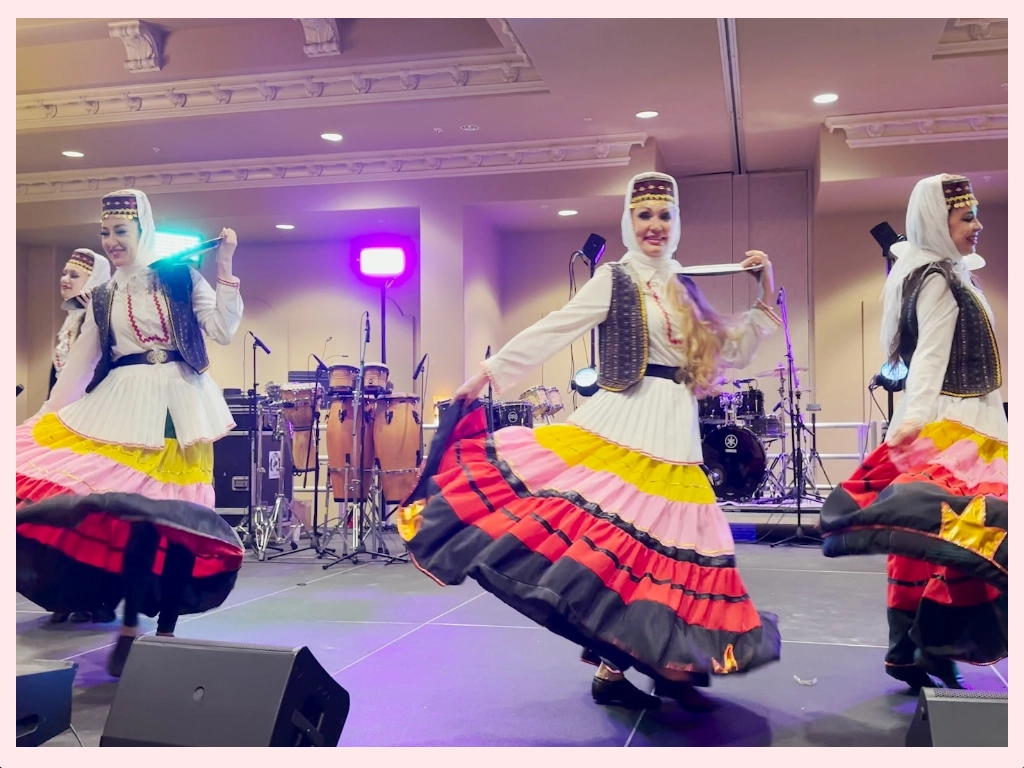
Gassemabadi Folk Dance
Ghassemabadi Persian Folk Dance
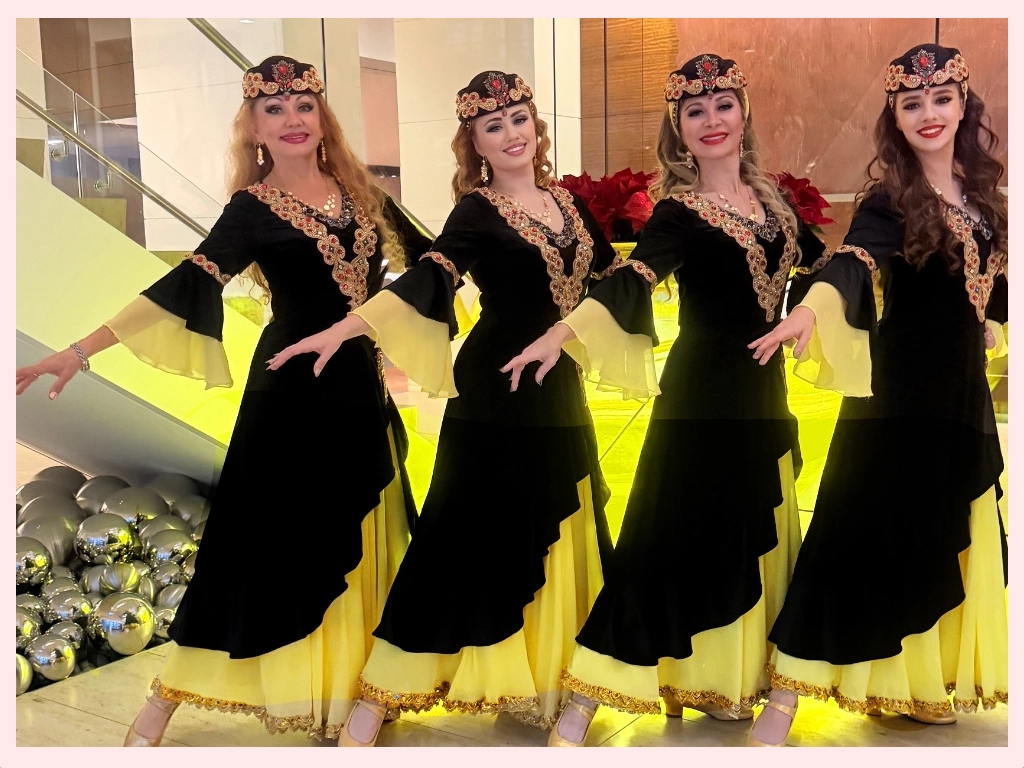
Andalusian Dance
The Muwashahat genre is inspired by Medieval court poetry of Arab-Andalusia, developed when Arab intellectual and artistic culture flourished in Spain.
The Muwashahat dance reflects the refined court culture of Al-Andalus, where poetry, music, and movement were inseparable arts. Shaped by a fusion of Arab, Andalusian, and Mediterranean traditions, the dance values grace, balance, and collective harmony over display.
The particular dance based of choreography of famous Professor of Dance and Choreographer Mahmoud Reda from Egypt.